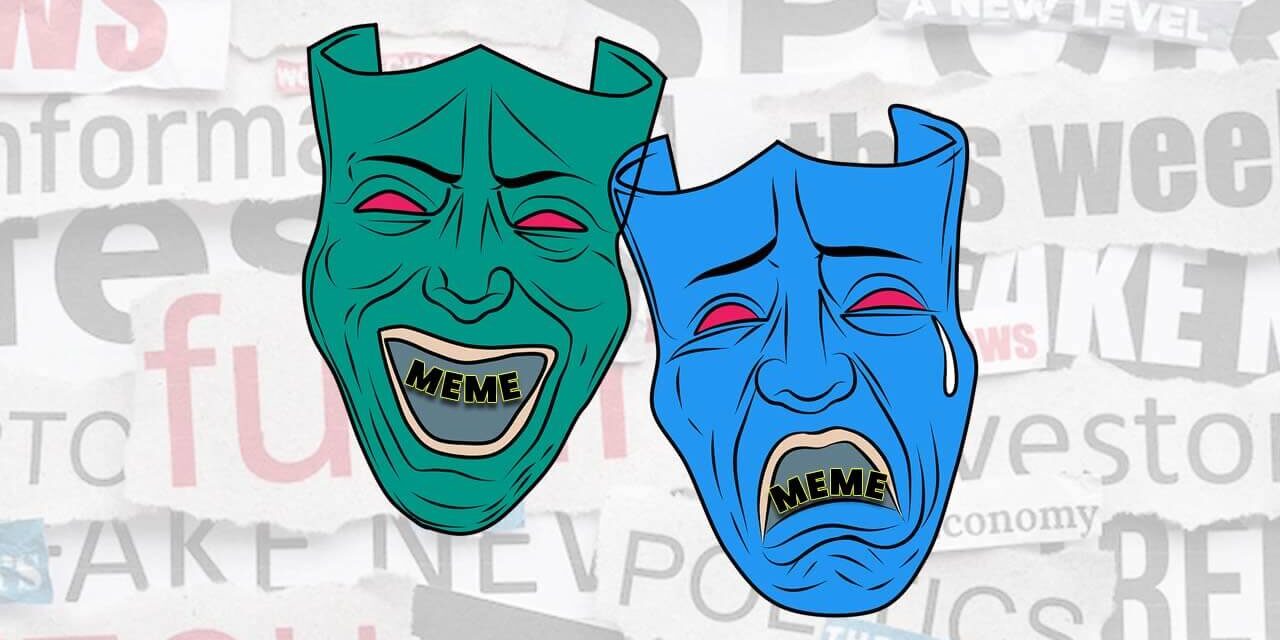
We have laughed at them. We have shared them at 2 AM when we should have been sleeping. We have used them to express emotions that words somehow could not. Memes, those funny little images, videos, and phrases that ricochet around the internet, are far more than just jokes and funny images. They are a cultural language, a social bonding mechanism, and believe it or not, a window into the collective human psyche.
What Is a Meme, Exactly?
The word ‘meme’ was coined by evolutionary biologist Richard Dawkins in his 1976 book The Selfish Gene. He used it to describe any cultural idea that spreads and evolves from person to person — similar to how genes spread biologically. A meme could be a melody, a fashion trend, or a catchphrase. In the internet age, the term has narrowed to refer to humorous images or videos that mutate as they spread. But the core idea — virally transmitted culture — is exactly what Dawkins described.
Memes Are Emotionally Efficient
A well-made meme communicates a complex emotional state in under three seconds. That image of the dog sitting in a burning room saying ‘This is fine’? It captures existential dread, denial, and dark humor simultaneously. No paragraph of text can do that as instantly. In a world of shrinking attention spans and information overload, memes are brutally efficient packets of shared feeling. They let us say ‘I felt this’ without typing a single word.
🔥 ‘This is fine’ (KC Green, 2013) is now used by everyone from individual workers to major news publications to caption societal collapse. That is the power of a great meme.
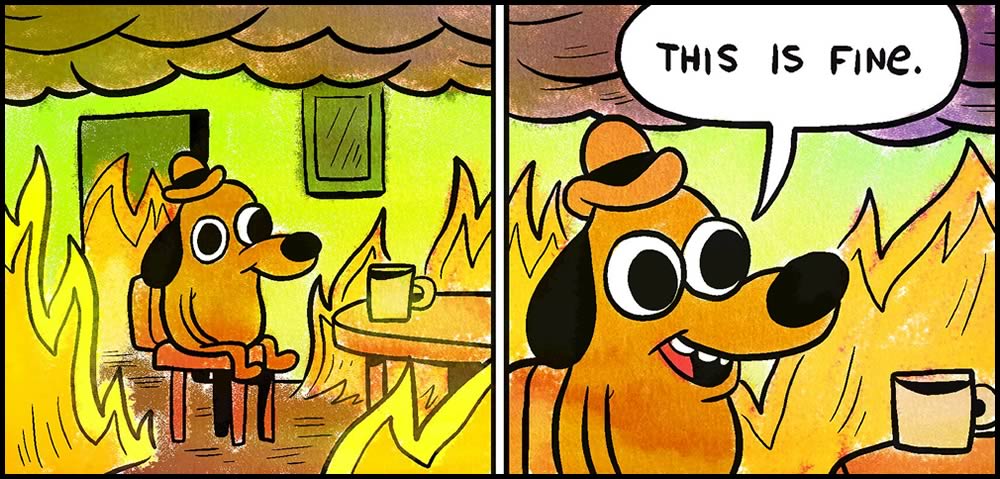
‘This is fine’ (KC Green, 2013)
They Carry Political and Social Weight
Memes have been used to drive social movements, mock politicians, and galvanize protests. During the Arab Spring, internet humor and shared imagery helped rally people. The ‘Distracted Boyfriend’ meme was used by everyone from climate activists to cryptocurrency enthusiasts. In every major election cycle, meme wars rage as intensely as debate stages. They function as digital propaganda, but also as satire that punctures the powerful. They democratize commentary in a way no op-ed ever could.
The Dark Side: When Memes Mislead
Of course, memes also spread misinformation with terrifying speed. A manipulated screenshot or a quote taken out of context, dressed up as a meme, can go viral before fact-checkers even see it. The same efficiency that makes memes great for humor makes them dangerous for truth. Media literacy, the ability to question, verify, and contextualize, has never been more important than in an age where a badly cropped image can change public opinion overnight.
The Future of Memes
AI-generated memes, deepfake humor, and personalized algorithmic content are reshaping the landscape. Memes are now being created by bots, studied by sociologists, and archived by digital historians. What started as goofy cat pictures has evolved into a legitimate art form, one that captures what humanity finds funny, scary, relatable, and absurd at any given moment. In 100 years, historians studying 2026 will look at our memes the way we look at political cartoons from the 1800s.
So the next time you send someone a meme, remember: you are participating in one of the most uniquely human activities of the digital age. You are translating your inner world into a shared cultural artifact. That is actually kind of beautiful.