TITANIC – a single name that send shivers to our spine. Maritime disasters have claimed more lives than almost any other category of transportation accident. The ocean’s vastness, the difficulty of rescue operations, and the sheer scale of vessels capable of carrying thousands of souls make shipwrecks among history’s most devastating events. From wartime tragedies deliberately omitted from history books to peacetime ferry disasters that shocked nations, these ten disasters represent the worst the sea has exacted from humanity.
#1 MV Wilhelm Gustloff - History's Deadliest Maritime Disaster
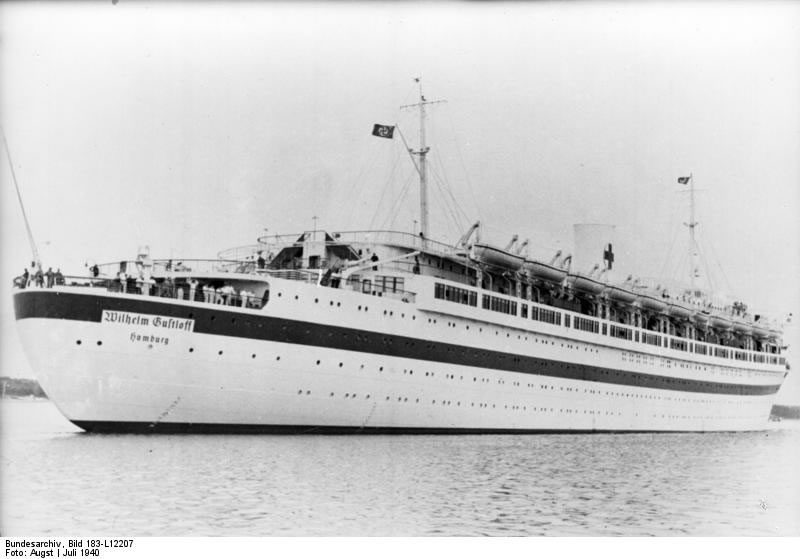
Image Source: Lazarettschiff “Wilhelm Gustloff” (Wikimedia)
| Date | September 1, 1983 |
| Location | Sea of Japan, near Moneron Island, Soviet Union |
| Vessel | Boeing 747-230B |
| Casualties | 269 dead; no survivors |
| Cause | Soviet SU-15 fighter intercepted and shot down the aircraft after it strayed into Soviet airspace |
| Famous Victims | US Congressman Lawrence McDonald (D-GA); 61 American citizens |
| Reference | ICAO Investigation Report (Doc 9436); Soviet Air Force Files (partially declassified) |
The Disaster
The MV Wilhelm Gustloff was a former KdF cruise ship converted to a military transport. On January 30, 1945, she was carrying an unprecedented number of people, estimates range from 8,000 to 10,600, making her the most overcrowded ship in history. The passengers included over 4,000 children, thousands of ethnic German refugees fleeing the advancing Soviet Army, wounded German soldiers, and naval personnel.
At 9:08 PM, Soviet submarine S-13 fired three torpedoes. The ship sank in approximately 45 minutes. The water temperature was -18°C (-0.4°F). Lifeboats were frozen to their davits. Hundreds of children drowned in flooded lower decks. Rescue ships arriving later pulled mostly frozen corpses from the water. Approximately 1,200 people were rescued.
Could It Have Been Avoided?
Germany was desperate in January 1945 and the evacuation of East Prussians was a genuine humanitarian need. However, cramming 10,000+ people onto a single vessel was reckless. The ship was not properly convoyed with adequate anti-submarine escorts. As a military transport, she was a legitimate wartime target, though the enormity of civilian casualties, and the deliberate suppression of the story by both sides (Germany for morale, Soviets as it was inconvenient to publicize a massacre of civilians), meant the world only learned the full scale of the disaster decades later.
Interesting Tidbit
The sinking was almost completely unknown in the West until novelist Günter Grass wrote about it in his 2002 novella ‘Im Krebsgang’ (Crabwalk). Soviet submarine captain Marinesko was never rewarded for the sinking during his lifetime due to personal conduct issues, but was posthumously awarded ‘Hero of the Soviet Union’ in 1990.
#2 MV Doña Paz - The 'Asian Titanic'
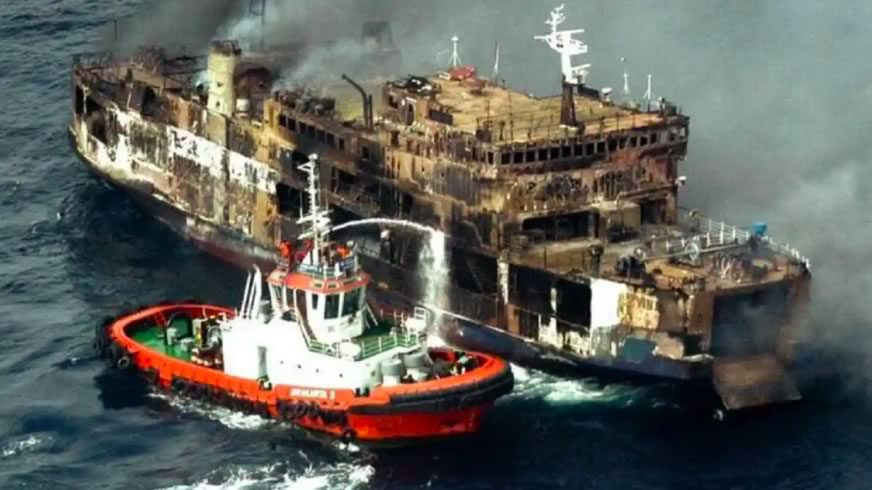
Image Source: safety4sea.com
| Date | December 20, 1987 |
| Location | Tablas Strait, Philippines |
| Vessel | Philippine passenger ferry MV Doña Paz; struck oil tanker MT Vector |
| Casualties | Official: 1,749; Estimated actual: 4,341 dead (coast guard estimate) |
| Cause | Collision with oil tanker MT Vector; subsequent fuel fire; gross overcrowding |
| Famous Victims | No widely identified celebrities; mostly Filipinos traveling home for Christmas |
| Reference | Philippine Coast Guard Investigation Report; NTSC Philippines |
The Disaster
Four days before Christmas, the MV Doña Paz was carrying passengers home for the holidays. The ferry was massively overcrowded. The official capacity was 1,518, but estimates suggest over 4,000 people were aboard, many without tickets. At 10:30 PM on December 20, the ferry collided with the MT Vector, a small oil tanker carrying 8,800 barrels of petroleum products. The tanker’s cargo ignited immediately, engulfing both vessels in an inferno that spread across the water itself.
Most passengers were asleep when the collision occurred. Survivors described a wall of fire with no escape. Sharks were reported in the water. Only 26 people survived from both vessels combined. The final death toll, if the actual number of passengers is used, exceeds that of the Titanic, making this the deadliest peacetime maritime disaster in history.
Could It Have Been Avoided?
The MT Vector had a lookout asleep, no licensed master, and had not been inspected. The Doña Paz reportedly had an unlicensed second mate on watch. Neither vessel maintained proper radio watch. Systematic enforcement failures in Philippine maritime regulation contributed directly. The overcrowding, common on holiday trips, was an open secret.
Interesting Tidbit
Because so many passengers were traveling without tickets, the true death toll may never be known. Philippine authorities continue to use the official figure of 1,749, while most historians believe the actual number was over 4,000, making the tragedy even more profound than officially acknowledged.
#3 RMS Titanic - The Unsinkable Ship Sinks
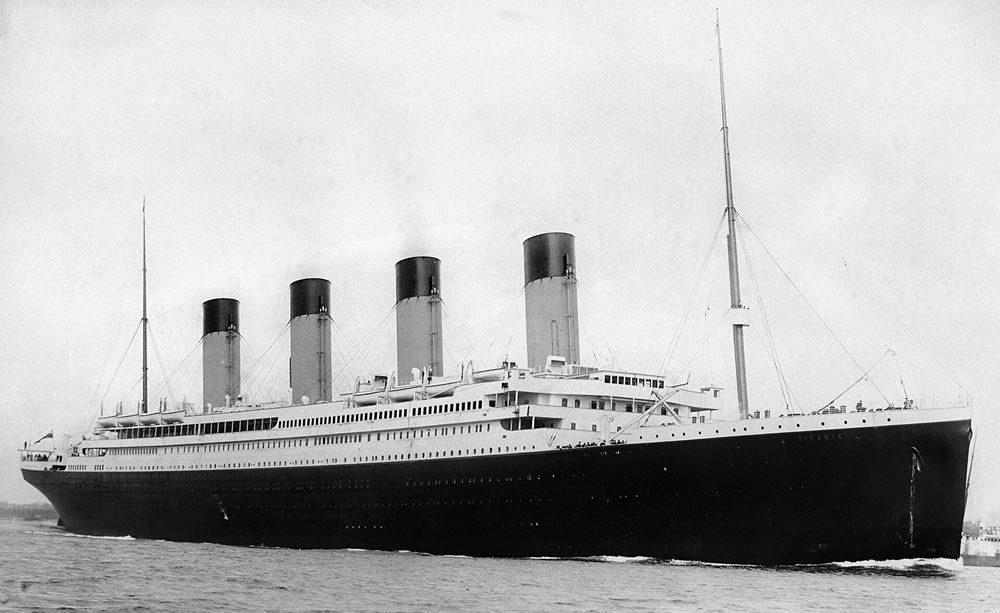
| Date | April 14–15, 1912 |
| Location | North Atlantic Ocean, approximately 370 miles southeast of Newfoundland |
| Vessel | RMS Titanic (White Star Line, 46,328 GRT) |
| Casualties | 1,496–1,517 dead; approximately 710 survivors |
| Cause | Collision with iceberg; inadequate lifeboats; class-based evacuation; ice warnings ignored |
| Famous Victims | John Jacob Astor IV, Isidor Straus & Ida Straus, Benjamin Guggenheim, Captain Edward Smith |
| Reference | US Senate Inquiry (1912); British Board of Trade Inquiry (1912) |
The Disaster
The Titanic needs little introduction. On her maiden voyage from Southampton to New York City, the largest ship ever built struck an iceberg at 11:40 PM ship’s time on April 14, 1912. The collision ruptured five of the sixteen watertight compartments — one more than the ship was designed to survive. The ship broke in two and sank at 2:20 AM on April 15. In the 2 hours and 40 minutes between impact and sinking, only 20 of 48 lifeboats were launched, and most were not filled to capacity. Water temperature was -2°C (28°F).
Class & Survival
The survival rate starkly reflected class: 62% of First Class passengers survived, compared to 41% of Second Class and only 25% of Third Class (steerage). Some third-class passengers reported being held below decks by locked gates, though this remains disputed. First class women had a 97% survival rate. Third class men had only a 16% survival rate.
Could It Have Been Avoided?
Multiple warnings of iceberg fields were received by the Titanic throughout April 14 but were not relayed to the bridge or not acted upon. Captain Smith did not reduce speed. The ship had only enough lifeboats for 1,178 people — the Board of Trade required only 16 lifeboats regardless of passenger count. Had the ship carried sufficient lifeboats, or reduced speed, the outcome might have been radically different.
Interesting Tidbit
Isidor Straus (co-owner of Macy’s department store) refused a lifeboat seat, saying ‘I will not go before the other men.’ His wife Ida refused to leave his side. They were last seen sitting together on deck chairs, holding hands. The Titanic’s orchestra famously played on deck as the ship sank, with all eight musicians dying. First wireless operator Jack Phillips transmitted ‘CQD’ and then the newly designated ‘SOS’ distress signal until the last possible moment.
#4 SS Kiangya - China's Forgotten Peacetime Maritime Disaster
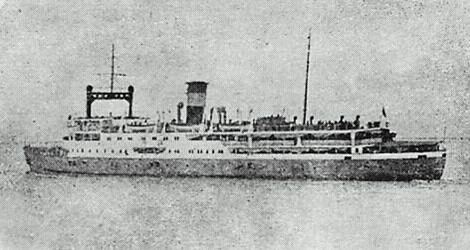
| Date | December 3, 1948 |
| Location | Wusong Estuary, near Shanghai, China |
| Vessel | Chinese passenger vessel SS Kiangya |
| Casualties | Estimated 2,750–3,920 dead; approximately 700 survivors |
| Cause | Struck a Japanese WWII naval mine still present in the estuary |
| Famous Victims | Predominantly Chinese civilians fleeing Nationalist collapse |
| Reference | Contemporary Chinese press reports; Western wire dispatches |
The Disaster
The SS Kiangya was carrying refugees fleeing Shanghai as Communist forces advanced during the Chinese Civil War. Severely overcrowded, the vessel struck a naval mine laid by Japanese forces during World War II — mines that had never been cleared from Chinese coastal waters. The explosion tore the ship apart, and she sank rapidly. The disaster, occurring in the final chaotic weeks before the Communist victory in China, received little international attention and was largely suppressed in subsequent official Chinese historiography.
Could It Have Been Avoided?
The mine clearance of Chinese coastal waters after WWII was incomplete and poorly coordinated. Ships should not have been operating in areas known to contain mines. The desperate circumstances of the civil war, however, left few options for the hundreds of thousands of refugees attempting to flee.
#5 SS Sultana - America's Worst Maritime Disaster
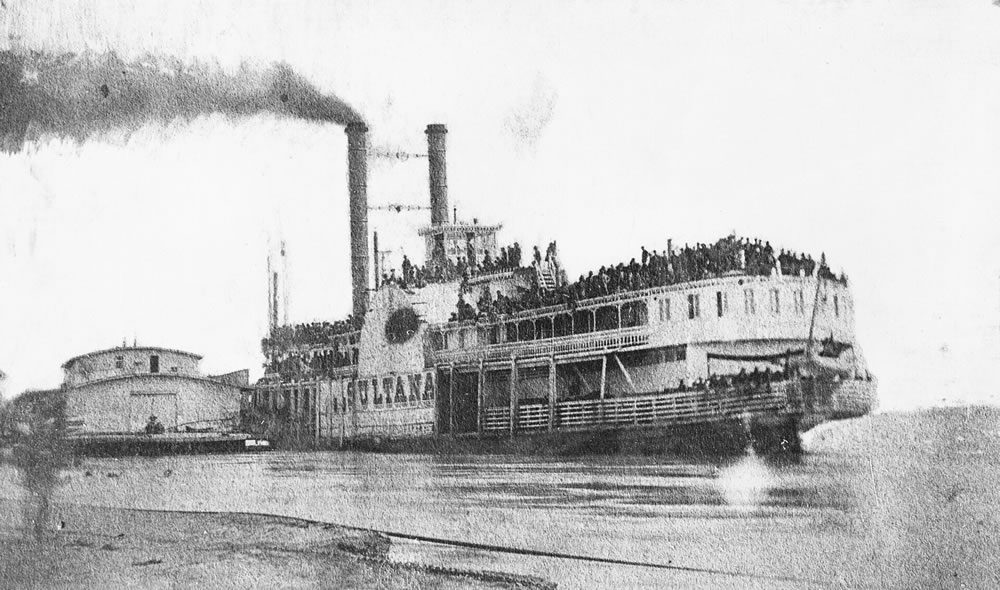
| Date | April 27, 1865 |
| Location | Mississippi River, near Memphis, Tennessee, USA |
| Vessel | SS Sultana (sidewheel steamboat) |
| Casualties | Estimated 1,700–1,800 dead |
| Cause | Boiler explosions; massive overcrowding; compromised boiler repairs |
| Famous Victims | Predominantly recently freed Union prisoners of war (survivors of Andersonville and Cahaba prisons) |
| Reference | US Army Inquiry (1865); Jerry Potter, 'The Sultana Tragedy' (1992) |
The Disaster
The SS Sultana was legally rated for 376 passengers, yet on the night of April 27, 1865, she carried an estimated 2,400 people — mostly recently released Union prisoners of war, starved and weakened after years in Confederate prison camps, who were finally heading home after the war had just ended. In the early morning hours, three of the four boilers exploded catastrophically, sending hundreds of men flying into the freezing Mississippi River. The ship burned to the water line.
The Sultana disaster killed more Americans than the Titanic — yet it occurred just twelve days after Lincoln’s assassination, and the country was focused entirely on the President’s death, John Wilkes Booth’s capture, and the end of the war. The disaster was largely ignored by the press and remains one of the most overlooked catastrophes in American history.
Interesting Tidbit
A Union quartermaster officer, Reuben Hatch, was suspected of accepting bribes from Sultana’s owner to fill the ship with freed prisoners — instead of distributing them across several vessels. He was investigated but never prosecuted. The massive overcrowding in exchange for a per-head payment was the proximate cause of the disaster.
#6 HMHS Britannic - Titanic's Sister Ship Sinks in WWI
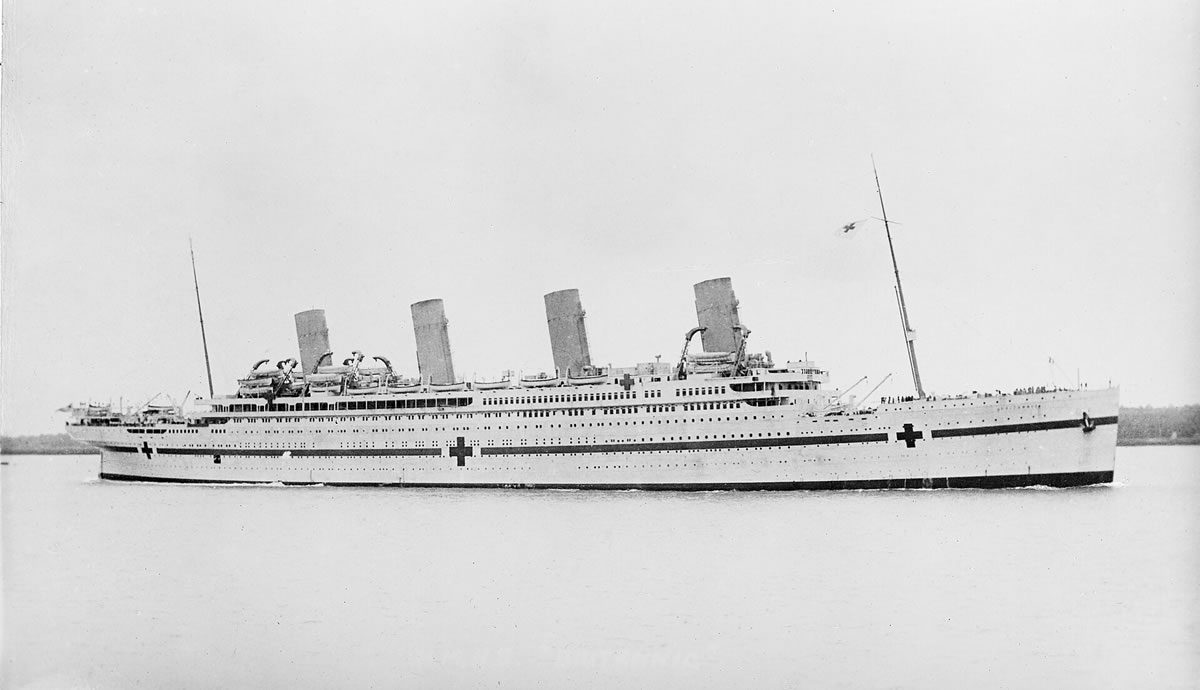
HMHS Britannic seen during World War I. By Allan C. Green
| Date | November 21, 1916 |
| Location | Aegean Sea, near the island of Kea, Greece |
| Vessel | HMHS Britannic (White Star Line, 48,158 GRT — largest Allied ship lost in WWI) |
| Casualties | 30 dead; 1,066 survivors (most evacuated successfully) |
| Cause | Struck a naval mine (or possibly torpedo) from German submarine U-73 |
| Famous Victims | Nurse Violet Jessop — a survivor also of both the Titanic AND Olympic incidents |
| Reference | British Board of Admiralty Investigation; Robert Ballard's 1995 expedition |
The Disaster
Titanic’s largest sister ship had been converted to a hospital ship in WWI and was carrying over a thousand medical staff and wounded soldiers in the Aegean when she struck a mine and began sinking rapidly — even faster than Titanic. Modifications made after Titanic’s sinking allowed most to survive. However, two lifeboats launched prematurely — against the captain’s orders — were drawn into the still-running propellers and destroyed, causing most of the casualties.
Interesting Tidbit
Nurse Violet Jessop is one of history’s most remarkable maritime survivors. She was aboard the Olympic when it collided with HMS Hawke in 1911, survived the Titanic sinking in 1912, and survived the Britannic sinking in 1916 — the only person known to have been involved in all three disasters involving Olympic-class ships.
#7 MV Le Joola - Africa's Worst Maritime Disaster
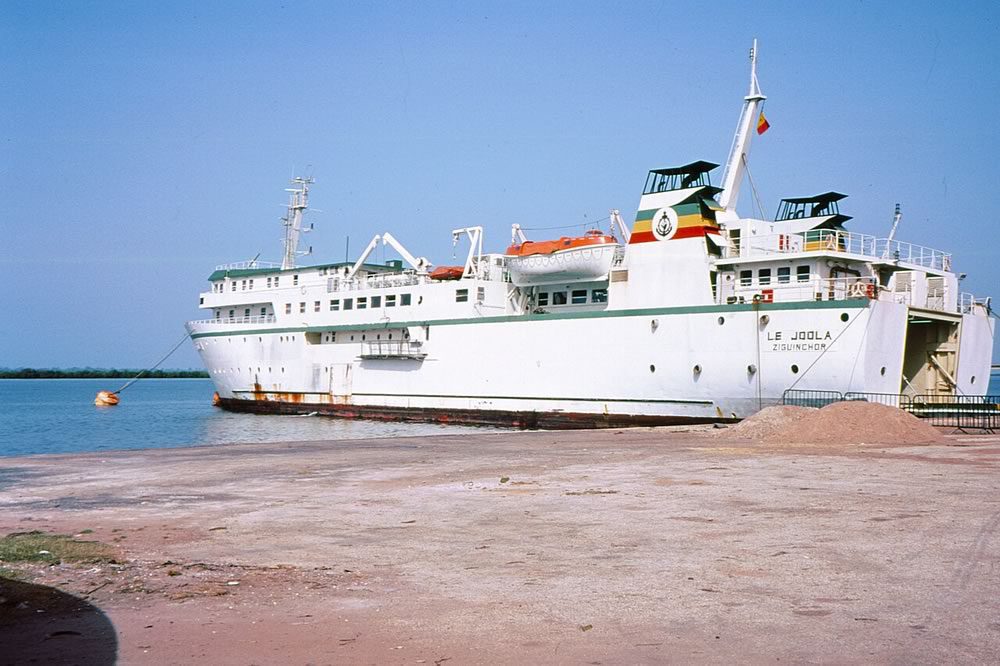
Ferry Le Joola at Ziguinchor, Senegal in 1991 By Yaamboo – Own work, CC BY-SA 3.0, Link
| Date | September 26, 2002 |
| Location | Off the coast of The Gambia, West Africa |
| Vessel | Senegalese government-operated ferry MV Le Joola |
| Casualties | 1,863 dead (only 64 survivors); more than died on the Titanic |
| Cause | Severe overcrowding; struck by a tropical squall; capsized in minutes |
| Famous Victims | No internationally recognized names; predominantly Senegalese students and traders |
| Reference | Senegalese government investigation; Amnesty International reports |
The Disaster
The Le Joola capsized so rapidly that most passengers had no chance of escape. The ferry, designed to carry 550 people, was carrying an estimated 1,900 or more. When a storm struck off the Gambian coast at night, the vessel capsized within minutes. The few survivors reported clinging to the hull in the dark. Rescue operations were slow and poorly organized. The final death toll — 1,863 — makes this the deadliest peacetime ferry disaster in terms of confirmed death toll, surpassing even the official figures for the Doña Paz.
Could It Have Been Avoided?
#8 MS Estonia - Baltic Ferry Capsizes in Storm
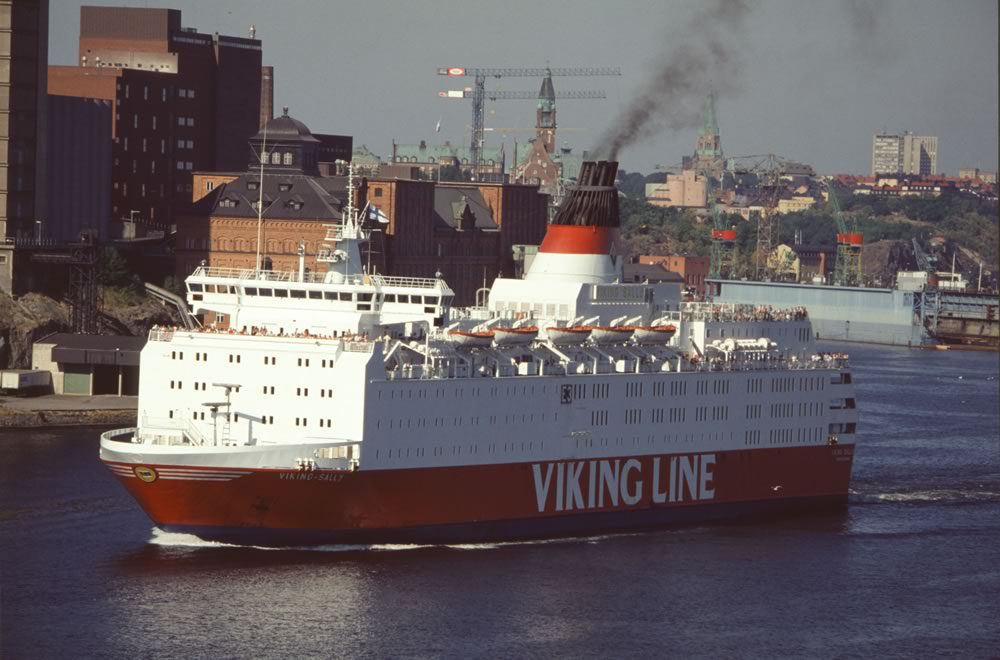
MS Estonia as Viking Sally at StockholmBy Mark Markefelt (1918–2009) – http://digitaltmuseum.se/011015423458, CC BY-SA 4.0, Link
| Date | September 28, 1994 |
| Location | Baltic Sea, between Tallinn, Estonia and Stockholm, Sweden |
| Vessel | Estonian cruise ferry MS Estonia (15,566 GRT) |
| Casualties | 852 dead; 137 survivors |
| Cause | Bow visor failure in heavy storm; flooding of car deck; rapid capsize |
| Famous Victims | No widely identified celebrities; mixed Swedish, Estonian, Finnish passengers |
| Reference | Joint Accident Investigation Commission of Estonia, Finland and Sweden (1997) |
The Disaster
At approximately 1:15 AM during a severe storm, the Estonia’s bow visor — the front ramp used to load vehicles — was ripped off by the force of waves. Water flooded the car deck instantly. The ship rolled to 90 degrees and capsized within minutes. Most passengers were asleep in their cabins. Those who made it to the deck found conditions impossible — the vessel was listing so severely that lifeboat deployment was nearly impossible. Survival was largely a matter of physical strength and location on the ship: most survivors were young men from upper decks.
Could It Have Been Avoided?
Interesting Tidbit
#9 RMS Lusitania - Torpedoed, World Changed
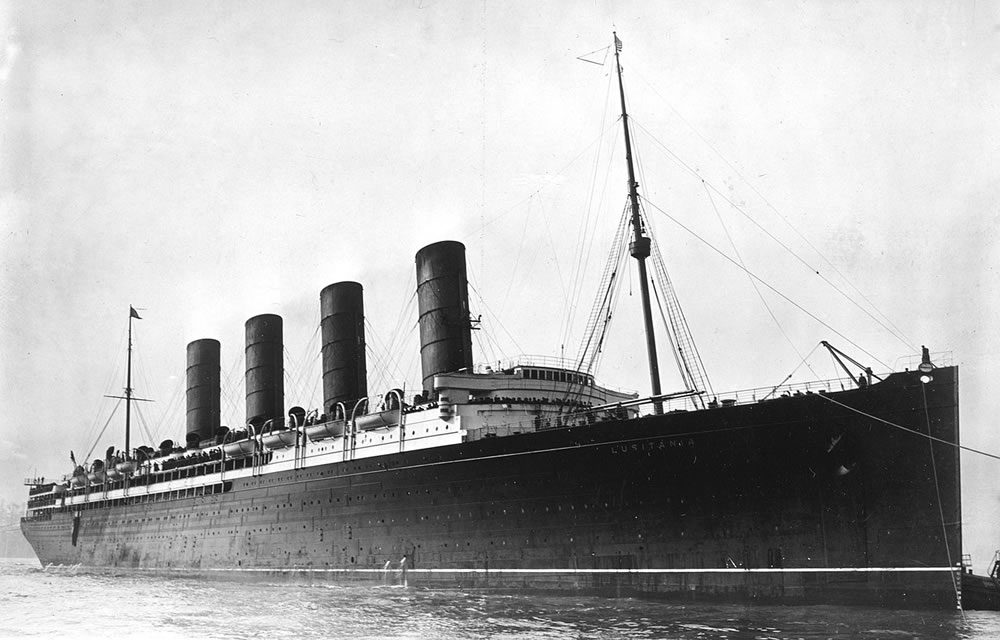
RMS Lusitania coming into port, possibly in New York, 1907-13. Image by George Grantham Bain
| Date | May 7, 1915 |
| Location | Celtic Sea, 11 miles off the Old Head of Kinsale, Ireland |
| Vessel | RMS Lusitania (Cunard Line, 31,550 GRT) |
| Casualties | 1,198 dead; 761 survivors |
| Cause | Torpedoed by German submarine U-20; secondary explosion (disputed cause) |
| Famous Victims | Alfred Gwynne Vanderbilt (multi-millionaire sportsman); theatrical impresario Charles Frohman |
| Reference | British Board of Trade Inquiry (1915); Colin Simpson 'The Lusitania' (1972) |
The Disaster
The Lusitania was the fastest and most luxurious liner afloat when a single torpedo from U-20 struck her starboard side. She sank in just 18 minutes — far too quickly for an orderly evacuation. A second, much larger explosion (the cause of which is still debated — possibly the ship’s own ammunition, coal dust, or the boilers) ripped through the ship, causing her to list severely and making lifeboat lowering almost impossible. 1,198 of the 1,959 people aboard died, including 128 Americans.
Could It Have Been Avoided?
Interesting Tidbit
#10 MV Sewol - South Korea's National Tragedy
| Date | April 16, 2014 |
| Location | Yellow Sea, near Jindo Island, South Korea |
| Vessel | South Korean passenger ferry MV Sewol |
| Casualties | 304 dead (250 high school students); 172 survivors; 5 bodies never recovered |
| Cause | Sharp turn, overloaded/improperly secured cargo, inadequate ballast; evacuation order never given |
| Famous Victims | Predominantly students from Danwon High School on a school trip to Jeju Island |
| Reference | South Korean Ministry of Oceans and Fisheries Investigation; Special Commission Report (2016) |
The Disaster
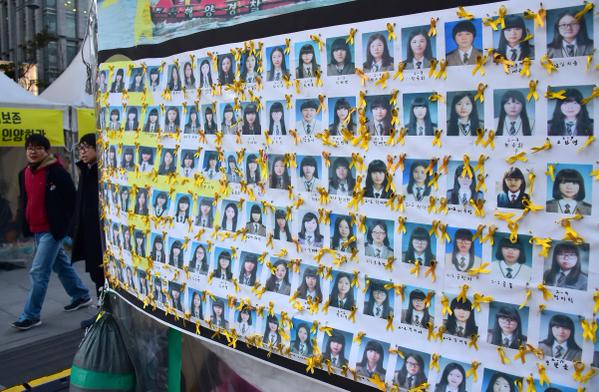
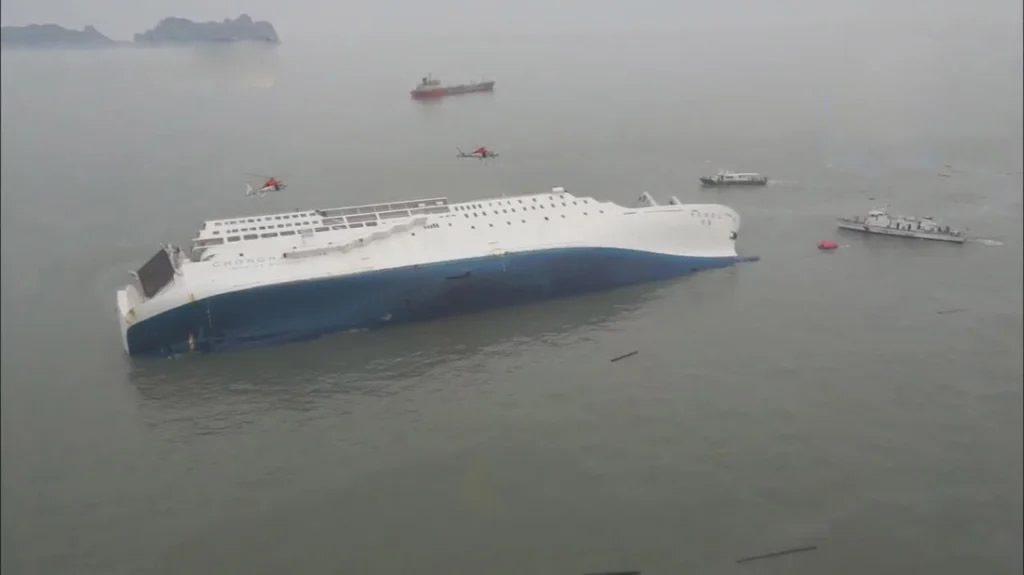
At 8:48 AM, the Sewol began listing severely after a sharp turn in shallow waters. The cargo had been improperly loaded and was unsecured. The crew made a decision that haunts South Korea: they broadcast announcements telling passengers to stay in their cabins and wait. Passengers — mostly 16-year-old students — obeyed. The ferry slowly capsized over the course of two hours while rescue helicopters hovered above. Coast Guard vessels arrived but prioritized rescuing crew members. The last radio communication heard from one student said: ‘Please tell my parents I loved them.’